
Summary:
When it comes to cooking at home, the big question often is, should you stick with LPG cylinders or switch to PNG pipelines? Both have their pros and cons, and the choice affects your budget, safety, and convenience. This blog gives you a detailed comparison on LPG vs PNG in simple terms so you can decide what works best for you.
When comparing LPG vs PNG for Indian homes, most households face a choice between portable cylinders and uninterrupted piped supply. The choice of cooking fuel is the most essential element for your household’s kitchen. It has been decades since LPG (Liquefied Petroleum Gas) cylinders became the go-to fuel for most Indian households. They are portable, reliable, and widely accessible, reaching millions of homes across cities, towns, and even remote villages.
But in recent years, there has been an addition. PNG (Piped Natural Gas) has emerged as an alternative in urban India. It promises an uninterrupted supply with no need for refills and enhanced safety features.
This gives rise to a real question: LPG vs PNG, which fuel should you choose for your home? Should you go for the traditional reliability of LPG, or should you explore the modern convenience of PNG if it’s available in your area?
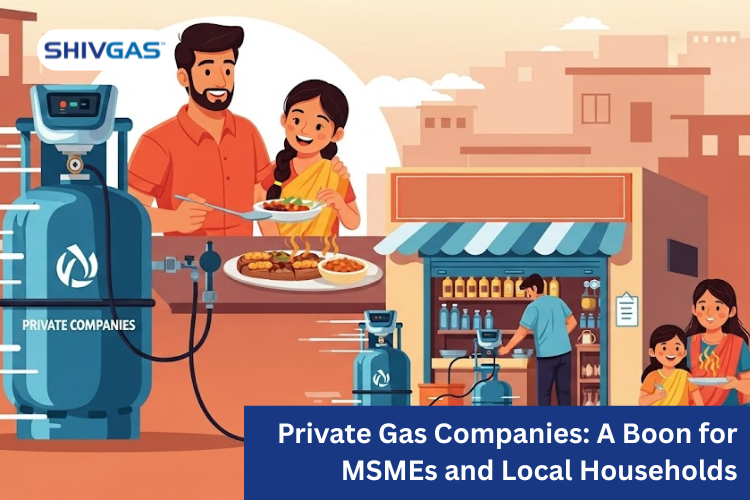
Liquefied Petroleum Gas or LPG is a mixture of propane and butane gases compressed into liquid form and stored in cylinders. In India, LPG cylinders are widely distributed through government-backed and private gas companies. If you’ve ever booked a cylinder and waited for delivery, then you’re already a part of this system.
Piped Natural Gas or PNG, is primarily composed of methane and is delivered directly to homes via underground pipelines. Instead of booking cylinders, you get a direct, metered connection similar to electricity or water. PNG is usually available in urban areas with advanced infrastructure facilities.
When you think about cooking, fuel availability and convenience are critical. Both LPG and PNG promise efficiency, but the choice between them impacts your monthly expenses, kitchen management, and even long-term lifestyle. Given below is the comparison between LPG vs PNG. This will give you a detailed insight on which option works better for your home setup.
One of the biggest reasons LPG is popular in India is its accessibility. Whether you live in a metropolitan city or a remote village, you get LPG cylinders delivered right at your doorstep. Also, government subsidies make LPG cost-effective for families across all income groups.
PNG, on the other hand, requires massive infrastructure such as pipelines, meters, and dedicated supply networks. This is why only urban households in selected cities have access to PNG.
The Petroleum and Natural Gas Regulatory Board (PNGRB) has authorized approximately 33,478 km length of natural gas pipeline network across the country. They are aiming to create a national gas grid and increase the availability of natural gas across the country.
LPG prices fluctuate depending on international crude oil rates and government policies. For buyers, this means that the price of a cylinder might vary every few months. However, with subsidy options still available in many cases, LPG is more manageable for middle-class households.
PNG pricing is generally more stable, as it is linked to natural gas rates rather than crude oil. You pay based on actual consumption which is measured in cubic meters. For families with moderate to heavy usage, PNG often works out cheaper over time. But facilities are not yet up to the mark for installing natural gas pipelines.
If you’ve ever run out of LPG in the middle of cooking, you know the inconvenience of waiting for a new cylinder. PNG eliminates this problem since it provides an uninterrupted supply.
However, LPG has one key advantage. You can move your cylinder anywhere. Whether you’re shifting homes or setting up a temporary kitchen, LPG is portable. PNG, being a pipeline, lacks that flexibility.
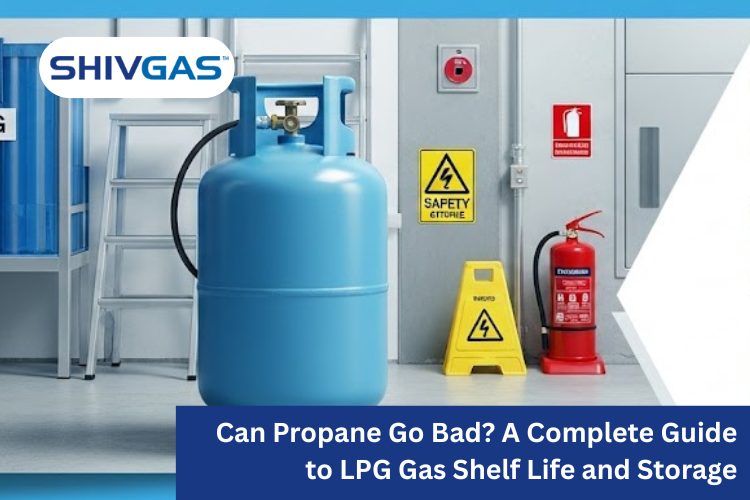
When handled responsibly, LPG is safe. But you must remain alert about leaks, proper storage, and using certified accessories. This adds an extra layer of responsibility. You should use proper equipment and from time to time replace the hoses, regulators and other essentials before they can lead to some serious safety risks.
PNG is lighter than air, so it disperses quickly in case of leaks. Automatic shut-off systems add another layer of safety. So, for PNG users, it is important to be more safe and cautious about maintaining their natural gas pipelines on a routine basis.
LPG produces fewer emissions compared to kerosene, coal, or firewood, which makes it a cleaner cooking fuel choice.
PNG emits fewer greenhouse gases compared to LPG. The challenge is that its reach remains limited and not all infrastructure facilities have provisions for setting up PNG connections.
If you live in India, you know that availability is everything when it comes to fuel. LPG has a strong presence across the country. Whether you live in a metro, a small town, or even a rural village, LPG connections are easy to set up and maintain.
Currently, the country is working to expand PNG networks, especially in growing urban regions. In the long term, PNG could become the standard for cities, while LPG will continue to dominate rural and semi-urban areas.
Discover why LPG is the preferred choice for Indian households.
The debate on LPG vs PNG doesn’t have a one-size-fits-all answer. If you live in a city with PNG pipelines and proper infrastructure, you can give it a go. Until then, LPG remains the fuel you can count on—day in, day out—for your everyday cooking needs.
PNG stands for Piped Natural Gas. It is natural gas (primarily methane) that is supplied directly to homes and commercial establishments through a network of underground pipelines, similar to water supply. Unlike LPG, PNG users do not need to book or replace cylinders — the supply is continuous and metered.
In most Indian cities where PNG is available, it is approximately 15–25% cheaper than non-subsidised LPG on a per-unit energy basis. However, PNG requires an upfront installation cost (approximately Rs 1,500–3,000) and is only available in areas with pipeline infrastructure.
PNG (methane) is considered slightly safer in enclosed spaces because it is lighter than air and disperses upward quickly if there is a leak. LPG is heavier than air and can accumulate near the floor, increasing explosion risk if not detected early. Both require proper ventilation and regular safety checks.
Yes, if PNG infrastructure is available in your area. Contact your city’s gas distribution company (such as Indraprastha Gas, Mahanagar Gas, or Adani Gas) to apply for a new PNG connection. The connection involves laying a pipeline from the street main to your kitchen, which is done by the gas company.
Key advantages of PNG:
(1) No need to book or carry cylinders
(2) Uninterrupted supply — no running out mid-cooking
(3) Generally cheaper on a per-unit basis
(4) Slightly safer as methane disperses upward
(5) Metered billing like electricity.
Disadvantage: only available in selected cities with pipeline networks.



Comment (0)